[:de]Im Schatten des großen Bruders[:en]Abu Dhabi stepping out of Dubai’s shadow[:]

Christina/ Juni 16, 2011/ Kultur

[:de]

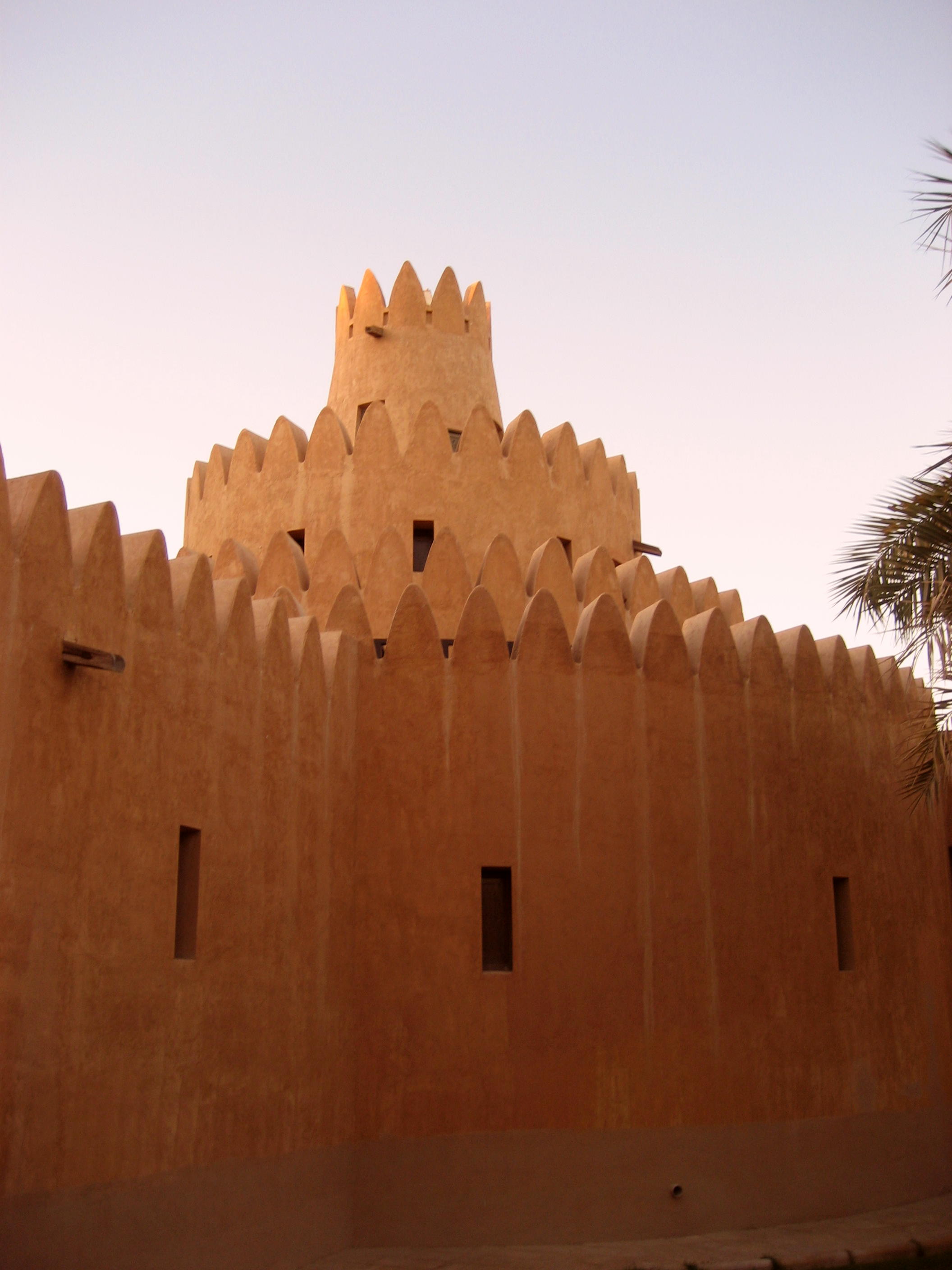
Turm

Jahrelang hatte Dubai die Nase vorn. Während sich Abu Dhabi noch im Dornröschenschlaf zu befinden schien, wurde in Dubai bereits gearbeitet, gefeiert und Rekorde aufgestellt. Doch „slowly but surely“ hat sich der größte Staat der Vereinigten Arabischen Emirate ein neues Image aufgebaut. Und als Geburtshelfer des Erfolgs tat die Finanzkrise ihr Übriges um den Stern Abu Dhabis endlich erstrahlen und den Dubais zumindest schwächer werden zu lassen.

So hat es jedenfalls das Beratungsunternehmen PriceWaterhouseCoopers (PwC) in seiner neuesten Ausgabe der „Cities of Opportunity“ (COP) entschieden. Abu Dhabi, so heißt es dort, hat Dubai ersetzt. Abu Dhabi sei als Geschäftsmetropole im Aufwind, während sich Dubais Wachstum im Zuge der Finanzkrise merklich verlangsamt habe. Also, einfach abgehängt.

Top-Plätze für Abu Dhabi

Abu Dhabi, so heißt es auf Seite 12 der Studie, hat es in drei von zehn Kategorien geschafft in die Top 3 zu kommen. Spitzenplätze nimmt es ein durch die Qualität der Luft und der Krankenhäuser und seiner wirtschaftlichen Wettbewerbsfähigkeit. Den dritten Platz teilt sich die Stadt mit New York und Istanbul (Istanbul wurde neu in die Studie aufgenommen) beim Grad der Bauaktivitäten von Wolkenkratzern. Insgesamt schafft es Abu Dhabi auf den 18. Platz. Besonders niedrige Punktzahlen hat die Stadt in den Kategorien „Technologie“, „Nachhaltigkeit“ und „Lifestyle“ erhalten.

In den Kategorien „Nachhaltigkeit“ (setzt sich zusammen aus: recycled waste, renewable energy, consumption, air pollution und city carbon footprint) und „Lifestyle“ (setzt sich zusammen aus: cultural vibrancy, sport and leisure activities, skyline impact, hotel rooms, international tourists) lässt die Studie – wenn auch knapp – Mumbai besser abschließen als Abu Dhabi (Punktzahl 71:28!). Ein Ergebnis – ich kenne beide Städte persönlich -, das mir völlig unverständlich erscheint. Was die Nachhaltigkeit betrifft, so kann ich mir höchstens vorstellen, dass sich ein besseres Ranking Mumbais dadurch erklärt, dass es größtenteils gar keine Elektrizität in der Stadt gibt und die Stadt selber den Überblick über die Müllproduktion verloren haben dürfte. Müllabfuhr? Fehlanzeige! (Man denke nur an den größten Slum Asiens „Dharavi“, der sich mitten in Mumbai befindet.) Ist das die Logik: wo nichts brennt wird auch nichts verbrannt?

Noch abwegiger finde ich die Annahme, dass Mumbai mehr Lifestyle habe als Abu Dhabi (30:21). Abgesehen davon, dass Mumbai für mich definitiv eine der hässlichsten und dreckigsten Städte der Welt ist (Ratten so groß wie Katzen auf den Straßen), bietet sie kulturell im Vergleich zur Golf-Metropole Abu Dhabi (z.B. Saadiyat-Island) gar nichts! Sicherlich gibt es die üblichen (amerikanischen) Luxushotels (-ketten) und wenn man darauf steht, abends mit den gelangweilten Expats an der Hotelbar rumzustehen, ist das vielleicht was. Möglicherweise ist der ein oder andere auch dem Bollywood-Fieber verfallen. Aber wo bitte, sind in Mumbai die „international tourists“ und die „cultural vibrancy“???

Aufbau der Studie

In der Studie wurden insgesamt 26 Metropolen in insgesamt 66 Aspekten miteinander verglichen, zusammengefasst zu zehn übergreifenden Kategorien. PwC erläutert das Konzept der Studie selbst wie folgt: „Die Stadt, die bei einem Aspekt am besten abschneidet, erhält 26 Punkte, der Zweitplatzierte 25 Punkte, der Dritte 24 Punkte, etc. Gewinner einer Kategorie ist, wer insgesamt die meisten Punkte bei den einzelnen Aspekten erreicht hat. Für das Gesamt-Ranking wurden die Ergebnisse aller zehn Kategorien addiert“. Die zugrunde liegenden Schlüsselvariablen werden auf den Seiten 79 – 82 näher erklärt. Klingt soweit erstmal objektiv – wirft bei einem genauren Blick in die Studie jedoch Fragen auf.

Bei einem Blick auf das Ranking könnte man PwC spontan (wahrscheinich auch das subjektiv gesehen) mangelnde Objektivität vorwerfen, angesichts der Tatsache, dass sich drei nordamerikanische Städte die ersten drei Plätze teilen: (1) New York; (2) Toronto und (3) San Francisco. Ich befürchte, da hat sich der Weltmarkt bereits für andere Wachstumsregionen (allen voran China) entschieden.

Werfen wir einen Blick auf die einzelnen Kategorien. Vorab: Meine Ansichten sind natürlich rein subjektiv; inspiriert durch viele Auslandsreisen und Eindrücke, die ich vor Ort gesammelt habe. Statistisch belegen kann ich jedoch nichts. Allerdings soll man ja bekanntlich auch keiner Statistik glauben, die man nicht selbst gefälscht hat.

Zehn Kategorien

COP ist also in 10 Oberkategorien eingeteilt: (1)Intellektuelles Kapital und Innovation, (2) Technologie, (3) Verkehr und Infrastruktur, (4) Gesundheit und Soziales, (5) Nachhaltigkeit, (6) Wirtschaftskraft, (7) Bedingungen für die Geschäftstätigkeit, (8) Kosten, (9) Demographie und Lebensqualität und (10) Lifestyle.

Nehmen wir nur ein Beispiel, das stellvertretend für eine teilweise nicht nachvollziehbare Vorgehensweise gelten soll: die Kategorie Verkehr und Infrastruktur. Dass Mumbai (Platz 24) hier überhaupt aufgelistet ist, spottet jeder Beschreibung. Dies kann sicherlich jeder bestätigen, der einmal in der indischen „Finanzmetropole“ gewesen ist. Versucht mal, Euch mit öffentlichen Verkehrsmitteln durch die Stadt zu bewegen. Dass hat mit Sicherheit niemanden von den PwC-Mitarbeitern getan. Bestimmt hat der Mumbaier-Flughafen ein hohes Verkehrsaufkommen, vielleicht auch ein gutes Streckennetz. Allerdings gibt es gerade mal einen Direktflug in die USA und noch bis vor Kurzem erinnerten das Flughafengebäude, die Passagierabwicklung als auch die Sicherheitsvorkehrungen an Standards, die es in Europa vielleicht zur Zeit des ersten Weltkrieges gegeben hat oder möglicherweise hinter dem „Eisernen Vorhang“ kurz vor dem Auseinanderbrechen der Sowjetunion und dem Fall der Berliner Mauer. Auch Duty Free-Artikel waren am Mumbaier Flughafen bis vor einem guten Jahr im 5-Jahres-Plan der Produktion noch nicht vorgesehen.

Als Fußnote zum Schluss: Istanbul zieht mit jeder amerikanischen Stadt gleich, was die Aufnahme einer geschäftlichen Tätigkeit betrifft und überholt sogar Tokio, San Francisco und Berlin bei den internationalen Besucherzahlen.

[:en]

Turm

For years Dubai was „ahead by a nose“. Whereas Abu Dhabi still lived in permanent hibernation, Dubai equtated hard work, celebration and settting up of various records. However, „slowly but surely“ the biggest state of the United Arab Emirates built a new image. The Great Recession might have acted as some kind of midwife to let Abu Dhabi’s star rise while Dubai’s star seems to be waning.

This is how PriceWaterhouseCoopers (PwC) describes its decision to replace Dubai by Abu Dhabi in its latest edition of „Cities of Opportunity“ (COP). Abu Dhabi, they say, „is rising as a business center while Dubai’s growth slowed markedly.“ Simply outdistanced.

Top-Ranks for Abu Dhabi

Abu Dhabi, according to page 12 of the study, “ranks in the top three places in 10 different variables, from the quality of its air to its hospitals to commute time to its economic competitiveness in everything from tax rates to ease of hiring to working age population.”
Moreover, it shares third place with New York and Istanbul (Istanbul has been added recently) in skyscraper construction activity. Altogether it reaches only rank 18, due to low scores in the categories of „Technology readiness“, „Sustainability“ and „Lifestyle assets“.

For the categories „Sustainability“ (composed of: recycled waste, renewable energy, consumption, air pollution und city carbon footprint) and „Lifestyle assets“ (composed of: cultural vibrancy, sport and leisure activities, skyline impact, hotel rooms, international tourists) the Indian city of Mumbai gets higher scores than Abu Dhabi (score 71:28!). A result – I’ve been to both cities -, that leaves me rather clueless. Concerning the sustainability I can only figure that the higher ranking for Mumbai is due to the fact that huge parts of the city do not have electricity at all and that the city itself might lost track of its waste production. Garbage collection? Negative Report! (Just think of the biggest slum in Asia „Dharavi“, which is in Mumbai’s city centre). Is that logical: where nothing burns, nothing is burnt?

What is even more confusing to me is that Mumbai is supposed to offer more lifestyle assets than Abu Dhabi (30:21). Apart from the fact that Mumbai is one of the most ugly and dirty cities in the world to me (rats big as cats on the streets), it does not offer anything of cultural interest compared to Abu Dhabi (z.B. Saadiyat-Island)! Granted you have the usual (American) luxury hotels (chains) and if you are fond of hanging around the hotel bar as many bored expats do, you might be thrilled. Possibly some people have fallen for the Bollywood feaver. But, please, where are the „international tourists“ and the „cultural vibrancy“ in Mumbai???

Aufbau der Studie

Once all of the 66 variables had been ranked and scored, they were placed into their 10
indicators (for example, economic clout or demographics and livability). Within each
individual group, the variable scores were summed to produce an overall indicator score
for that topic. This produced 10 indicator league tables that display the relative performance
of our 26 cities. The underlyinig key to the variables are visible on pages 79 – 82. Sounds objective so far – but raises questions upon a close look into the study.

In view to the ranking one could allege lack of objectivity to PwC in impulse in the light of the fact that three North American cities are sharing rank one to three: (1) New York; (2) Toronto and (3) San Francisco. I suspect that world market economy has already chosen other fast-growing regions (above all China).

Let’s have a look into some categories. To begin with: My opinion is naturally subjektive; inspired by many journeys abroad and many impressions gained on site. However, I cannot prove anything. Still, don’t they say, just believe in statistics you’ve forged yourself?

Ten categories

The study is divided into ten categories: (1)Intellectual capital and innovation, (2) Technology readiness, (3) Transportation and infrastructure, (4) Health, safety and security, (5) Sustainability (6) Economic clout, (7) Ease of doing business, (8) Cost (9) Demographics and livability and (10) Lifestyle assets.

Let us just take one exemplification to stress my point: Transportation and infrastructure. The listing of Mumbai (rank 24) at all in this category is risible. Anybody who visited the Indian „financial hub“ might approve this. Just try to move by public transport through the city. I am sure, the PwC employees in charge did not even try. Certainly, Mumbai airport has a high volume of traffic and maybe also a solid route system. But there is only one direct connection to the United States and not long ago, the airport building, passenger handling as well as the security precautions merely lived up to the standards Europe had in the times of World War I or maybe behind the „Safety Curtain“ shortly before the break up of the Soviet Union and the und the collapse of the Berlin Wall. Also duty free articles did not seem to have been part of the five-years-production-cylcle.

As a final footnote: Istanbul equals every US city in ease of starting a business; beats Tokyo, San Francisco and Berlin in international tourists and, finally ties for third with San Francisco, Sydney and Singapore (among other cities) for the quality of its air. Chapeau!

[:]

Share
Share this Post